
"Hello, Vlad? It's Don"
There are essentially three possibilities for the next round of Ukraine diplomacy -- with very different implications for investors.

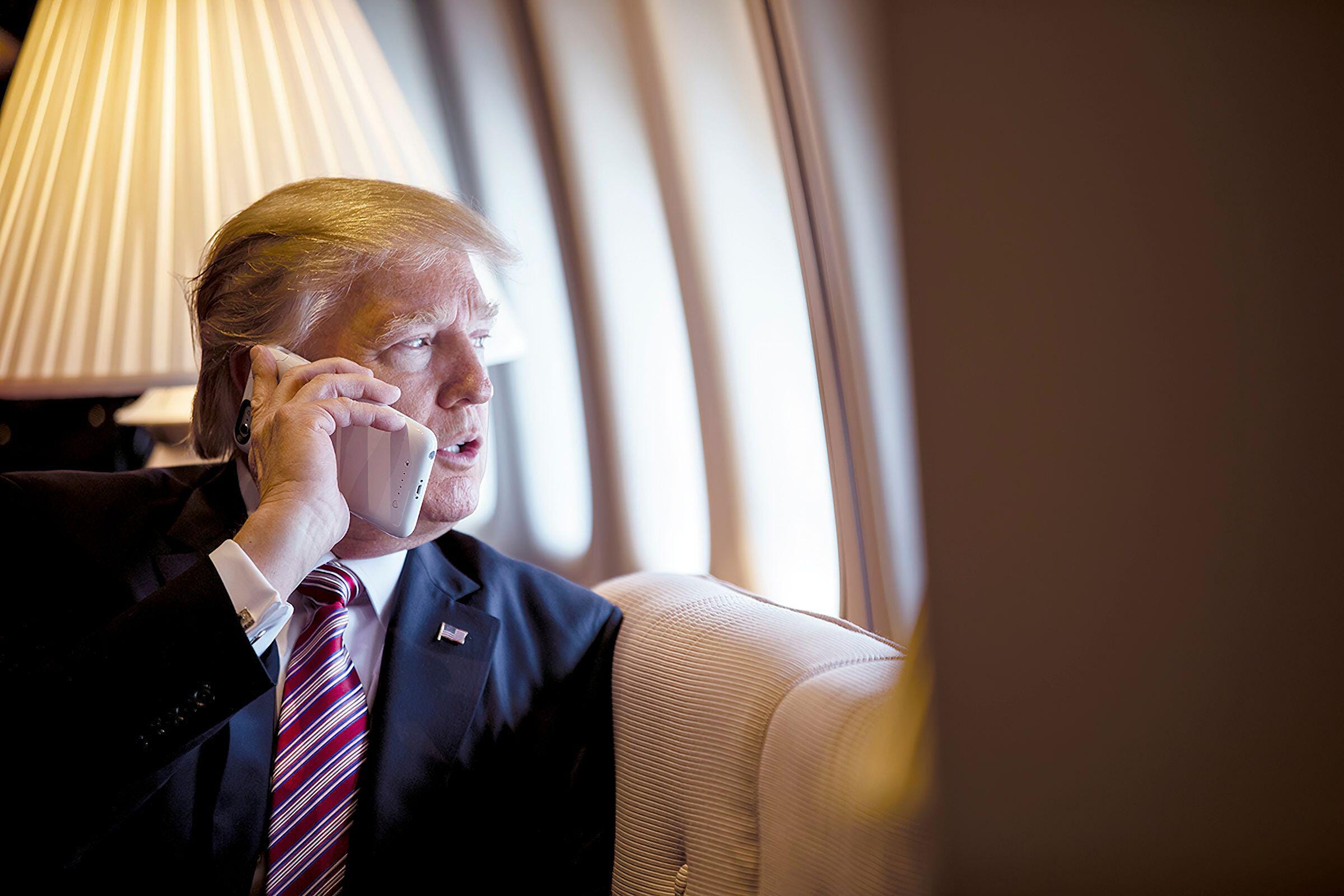
Day One is here! It’s the day Donald Trump has promised to apply his vaunted dealmaking skills and America’s vast leverage to end the Ukraine War. Consider the three most likely scenarios for his first call to Russia’s Vladimir Putin as he lays the ground for a possible summit. Each carries different consequences for the European economy and global investors.
My bet is still on much more fighting in the months ahead because it doesn’t feel like either Moscow or Kyiv is ready for concessions. But if I’m wrong, then there are investments to watch.
Scenario 1
Trump: “Look, Vlad, it’s all or nothing. You keep what you’ve seized so far; we end sanctions and release your assets. Ukraine gets EU membership, but not NATO. You and I can meet up in Munich Istanbul to seal the agreement. If you refuse, we’ll ramp up military deliveries to Kyiv and let them use ATACMS anywhere on Russian territory.”
Putin: “Deal!”
Europeans, Democrats, and a few brave Republicans may cry “sellout,” but won’t have much choice but to go along. Beleaguered Ukrainians may refuse to recognize the territorial shifts, but can’t fight on if Trump cuts them off. Putin has to accept that Ukraine will tilt West indefinitely, but avoids even the appearance of concessions to Zelensky by dealing directly with Trump.
The deal looks like a gift to the aggressor, but it probably boosts global growth this year. Ending all sanctions could easily shave $5 or more off oil prices as Russian supplies flow freely again. Lower energy costs would allow the European Central Bank to cut rates even faster than current expectations.
Russia itself will still face 21% interest rates until its raging inflation cools, but growth should still pick up as the economy shifts back into non-military investments. Trade with Europe won’t resume quickly, but a rebound in growth may give a nice boost to China’s exports, as Russia has now become China’s fifth-largest trading partner.
Scenario 2
Trump: “Look, we all want this to end. You keep Crimea and we end oil sanctions. If I let you keep Donbas, too, then it gives the Chinese a green light to move on Taiwan. But we’ll agree not to seize your frozen assets while we negotiate the final Russia-Ukraine border. The Europeans will scream, but they’re going wobbly anyway with the rise of those far-right parties you’ve been cultivating. Otherwise, we start sending U.S. advisors to Ukraine along with those French troops Macron keeps threatening.”
Putin: “I’ve always been open to talks! But I don’t believe for a second you will escalate right after you won an election by promising to bring U.S. troops home. And I’m not afraid of France.”
Anything is possible, especially with this president, but the base case remains more fighting, more sanctions and a continuing drag on Europe’s recovery.
The immediate problem is that Russian troops are on the verge of taking Pokrovsk, the main source of Ukraine’s coking coal, but Putin might still agree to a cease-fire that allows him time to re-supply should the talks fail. In any case, he knows that the West’s appetite to back Ukraine is fading. He also knows that while polls show his own people want the fighting to end, it wouldn’t be too hard to whip up patriotic fervor should he decide to take up the fight again. A quick look at how Moscow celebrated New Year’s Eve will shatter any illusions that this is a country that considers itself struggling with war.
Oil prices would likely ease under this scenario, too, especially if the cease-fire holds for more than a few months. Putin might even pretend he can rein in Iran to help cool the Middle East tensions that roil energy markets. Even a tenuous peace could also help settle global wheat prices if they remove the threat to Ukrainian shipping and reduce Kyiv’s dependence on politically fraught routes through Romania or Poland.
But suspicion of Russia’s long-term intentions will remain, especially after last week’s official threats toward Moldova. Any money Europeans may save on energy costs will have to go straight into boosting defense.
Scenario 3
Trump: “So, I now realize I can’t really impose the deal I talked about during the campaign. Zelensky isn’t ready. The Europeans are going to keep supplying Ukraine anyway and even the Congressional Republicans I have under my thumb will balk if it looks like I’m caving. But the fighting needs to end. I can’t promise Ukraine won’t ever join NATO, but we know it won’t be until long after we’re gone. We should just meet and talk it over.… Hello? … Vlad?”
There’s no deal to discuss if these are the terms. But Putin will still agree to the summit because it reinforces his narrative that America is the real threat to Russia, even if it doesn’t address what political scientists like to call the “security dilemma” at the heart of the problem. Anything Ukraine does to feel more secure -- NATO membership, Western arms -- makes Russia feel less secure. And vice versa. This means that any deal will be fragile until there’s a Russian puppet in Kyiv or a Jeffersonian democrat in Moscow.
The new president has promised a fresh strategy to tackle the challenge, but the challenge itself hasn’t fundamentally changed. Anything is possible, especially with this president, but the base case remains more fighting, more sanctions and a continuing drag on Europe’s recovery.