
How Ukraine Changed Everything
After four years of inconclusive fighting, the war has quietly transformed the challenges facing soldiers, diplomats, executives, politicians, analysts and investors.

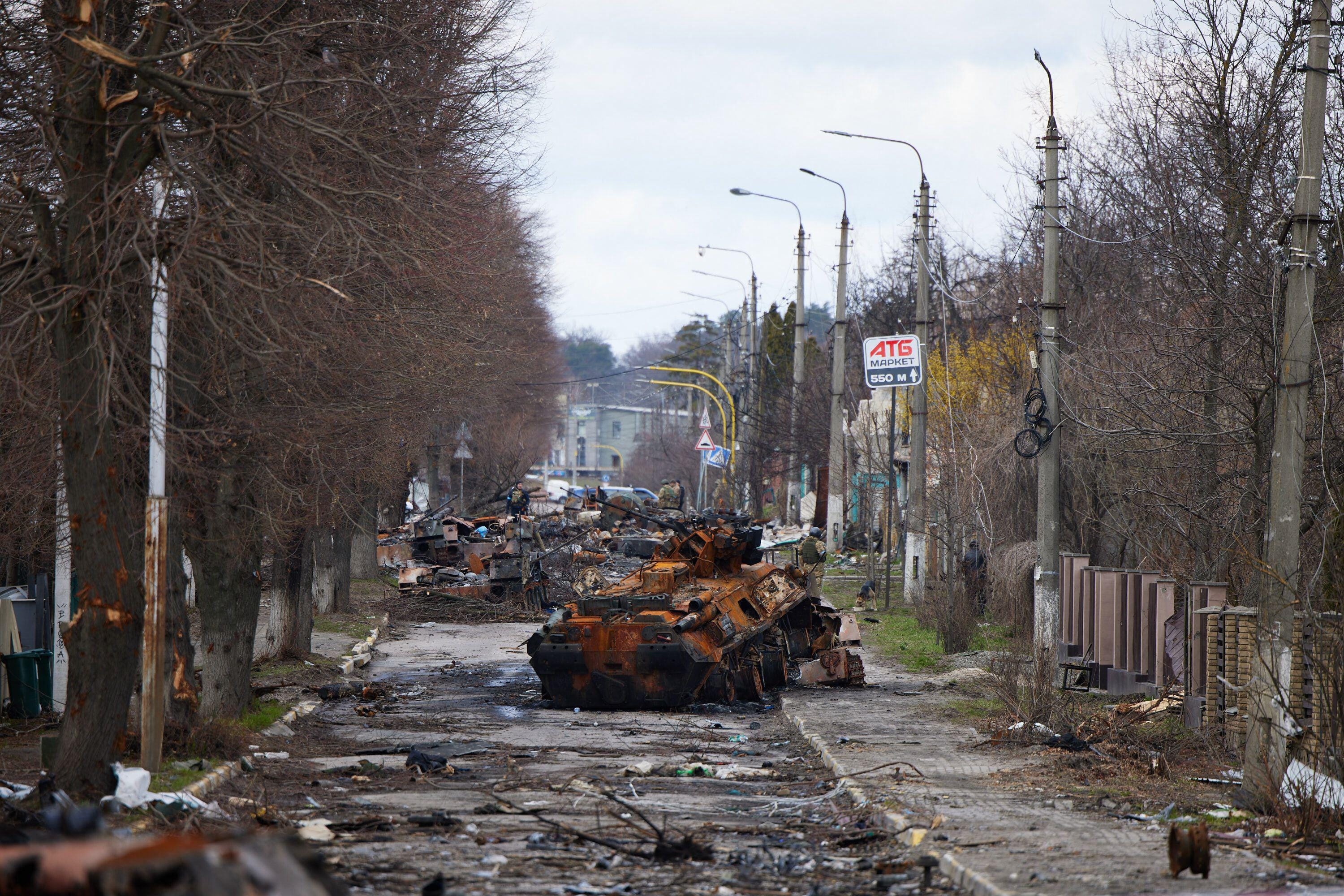
After Ukrainian forces drove back Russia’s initial attack in 2022, the battle lines haven’t moved much. Besides the tragic deaths of as many as 140,000 Ukrainian soldiers and 325,000 Russians, relatively little has changed on the ground through this grinding conflict. But that would belie the astonishing geopolitical, security and economic transformations that have emerged from the continuing tragedy.
Military tacticians have learned brand new ways to conduct war by drone and cyber attack. Russia has demonstrated that old-fashioned missiles matter, too. Still, generals and admirals are doing some hard thinking about all the money spent on tanks, bombers, and battleships.
Diplomats have been taking stock of dramatic shifts in U.S. policy that the Ukraine conflict has accelerated, as Washington shifts from unconditional ally to erratic mediator.
European politicians have learned there are limits to America’s military commitment to their continent, prompting a historic push for increased defense spending and security cooperation.
Geopolitical strategists have watched as China, Iran and North Korea closed ranks behind Russia. Sort of. They have also noticed the limits of these relationships. China is happy to expand trade with Russia, but not at the risk of having its banks sanctioned. North Korea can’t do more than offer ammunition and some troops. Iran is otherwise preoccupied these days.
Political analysts will note that the ungainly political animal known as the European Union has deepened its commitment to common strategies on defense, sanctions, energy, and debt.
Central bankers will feel justified in continuing their effort to diversify away from the dollar, given potential sanctions risks and the increasing unpredictability of U.S. policy.
Nuclear strategists will note that the war has sealed the fate of the crumbling arms control regime that set limits on U.S. and Russian arsenals. Still more notable are the early discussions in France and the United Kingdom about a nuclear umbrella to support continental security independent of the U.S.
Energy analysts now understand that what seemed like an unbreakable addiction to cheap Russian energy can, indeed, be broken. It’s difficult and expensive, but it will be a long time after any peace settlement that Europeans allow themselves to depend so much on Moscow.
Supply chain managers, already attuned to pandemic risks, have become even more careful about diversifying and duplicating arrangements for crucial inputs after all Russian trade evaporated.
Financiers will note a fresh push to debt at the European level, to bolster the euro’s role as a global currency and to create a payments system that does not depend on American credit card giants.
But perhaps investors have the longest list of lessons to draw from Ukraine. They now understand that sanctions can inflict severe damage on an economy, even if they don’t necessarily change its priorities. They will view any potential conflict over Taiwan as a slippery slope toward a disastrous write-down of stranded assets in China. They know they must reconsider Europe’s growth prospects and take a close look at the opportunities presented by expansive new defense spending and industrial policy. They are watching closely for further steps to advance Ukraine’s membership in the European Union and planning quietly for the opportunities that will open up when the fighting stops.
Don’t be fooled by the tragic scenes that seem so reminiscent of the immovable trench warfare of World War I. The battle lines haven’t changed much in four years, but nearly everything else has.