
Learning to Trust Money
Zimbabwe’s latest currency experiment offers a fresh reminder of how much we take for granted

Money, as we all know, is all about trust.
So spare a thought for John Mushayavanhu, the new Governor of the Reserve Bank of Zimbabwe who is now three months into what may be one of the most ambitious exercises in building trust that modern markets have ever seen.
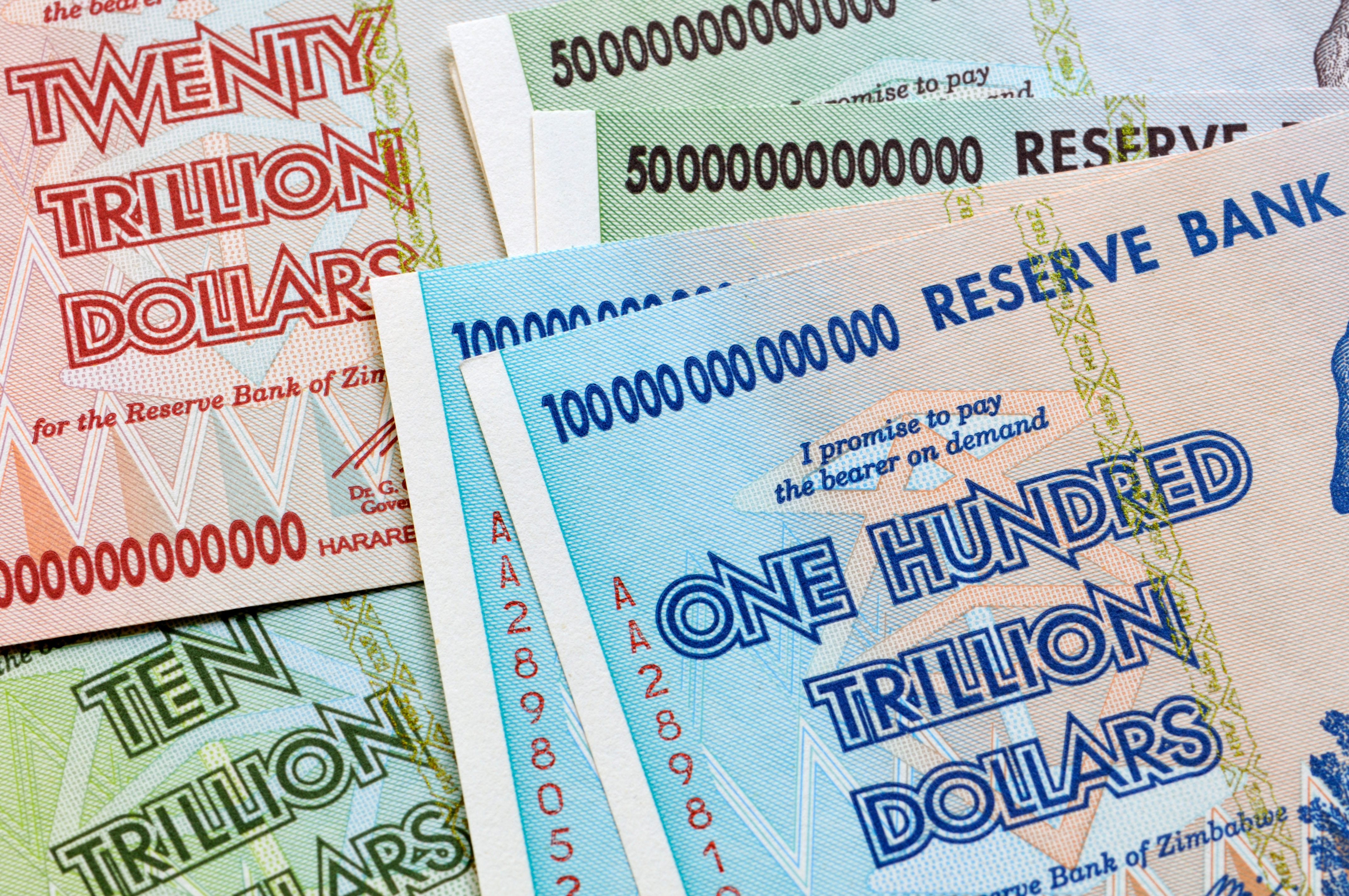
For those of you who are counting, this southern African country is now on its sixth attempt to establish a viable currency since 2008, when the International Monetary Fund recorded an inflation rate of 500 billion percent and bills were famously denominated in trillions of Zimbabwean dollars.
The government has naturally resorted to both carrots and sticks to encourage adoption of the new ZiG, which stands for “Zimbabwean gold.” On the carrot side, the new currency is apparently backed by $100 million in cash and 2,522 kilograms of gold. There’s also a pledge from Finance Minister Mthuli Ncube that a sound fiscal framework will avoid past practices of printing unbacked money when accounts run short. For now, the main stick is that companies are required to pay at least half their tax obligations in ZiG.
So far, so good. Launched April 8 at 13.56 to the U.S. dollar, it closed yesterday slightly stronger at 13.49.
But the scars of previous currencies run deep and there is a long-standing habit to transact in dollars, euros and just about anything but the local legal tender. Tourists in restaurants get checks that welcome payment in a handful of currencies besides the ZiG. On the street, hawkers offer old Zimbabwean bills in denominations full of zeros as souvenirs for a single American dollar.
Watch for tougher rules that will require even more tax payments in ZiG. Watch for crackdowns on black market currency dealers. It won’t surprise anyone when exporters are required to convert their foreign revenues into local currency.
But it’s worth remembering that the institutions that create trust in their money are neither eternal nor guaranteed. And when that trust disappears, it’s devilishly difficult to rebuild.
But history suggests that trust only comes when there is genuine confidence in the government and the business model it’s trying to build. Ultimately, Zimbabwe is a country rich in natural resources, but still heavily reliant on low-productivity agriculture and plagued by corruption. Inflation is running above 50% and total debt is now 99% of GDP.
If all this seems like another distant economic tragedy, there are still some serious lessons for all issuers of currencies, especially those who rely entirely on trust in their future growth prospects, trust in their legal and political systems and trust that the presses won’t one day outstrip demand for the printed paper.
There are plenty of ways that the United States, France or Japan are different from Zimbabwe. But it’s worth remembering that the institutions that create trust in their money are neither eternal nor guaranteed. And when that trust disappears, it’s devilishly difficult to rebuild.